Gen X Guide: Solar Energy Water Pumps 101
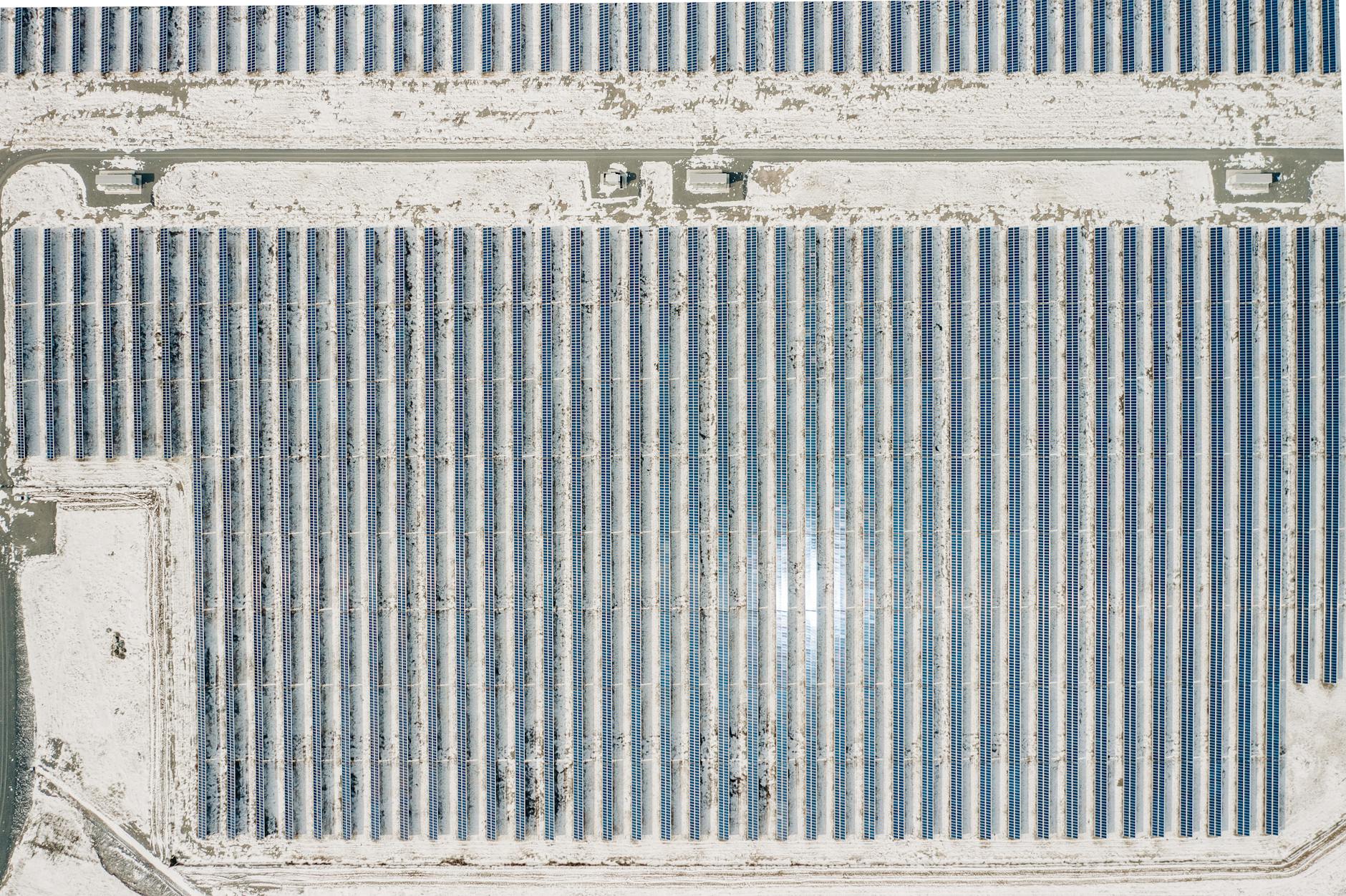
Solar energy technology has come a long way, offering various solutions to modern-day problems, including how to efficiently pump water using the power of the sun. This Gen X Guide will introduce solar-powered water pumps, navigating the essentials you need to know to implement eco-friendly water solutions on your property.
What are Solar-Powered Water Pumps?
Solar-powered water pumps are systems that convert solar energy into electrical energy to power a motor that pumps water. These systems are particularly helpful in remote locations where access to the grid is limited or nonexistent. They are also a sustainable choice, reducing dependence on fossil fuels and minimizing environmental impact.
How Do Solar Water Pumps Work?
The basic components of a solar water pump system include:
- Solar Panels: These are the key components that capture sunlight and convert it to electricity.
- Charge Controller: It regulates the voltage coming from the solar panels, ensuring that the batteries are not overcharged.
- Batteries (Optional): Batteries can store solar energy for use during times when there is no sunlight.
- Inverter (if an AC pump is used): An inverter converts the DC electricity from the solar panels or batteries to AC if the pump requires AC power.
- Pump: This can be a submersible pump that is placed inside the water source or a surface pump if the water source is shallow.
The Process:
- Solar panels collect sunlight and convert it into electricity.
- The electricity flows through the charge controller to the batteries or directly to the pump.
- The pump uses this power to pump water from the source to the desired location.
Benefits of Solar Water Pumps
- Eco-Friendly: Solar water pumps produce no emissions and have a minimal carbon footprint.
- Energy Independence: Solar pumps reduce dependence on the electrical grid and fossil fuels.
- Low Operating Costs: After the initial setup cost, the energy provided by the sun is free, leading to minimal running expenses.
- Easy to Install and Maintain: Solar water pumps have fewer moving parts, making them easier to install and maintain than traditional pumps.
- Versatile: They can be used for a variety of applications, including irrigation, livestock watering, and providing potable water for homes.
Considerations for Installation
- Site Assessment: You need to assess the location for solar panel placement, ensuring maximum sunlight exposure throughout the year.
- Water Source and Requirements: Determine the type of pump needed based on the depth of the water source and the amount of water to be pumped.
- System Size: Calculate the size of the system needed, including the number of solar panels and the capacity of the pump.
- Budget: factor in the initial investment and potential subsidies or incentives for renewable energy installations.
Final Thoughts
The shift towards renewable energy is a must for a sustainable future, and solar-powered water pumps are a straightforward yet effective technology in this transition. They offer an autonomous, eco-friendly solution to water access challenges, especially in off-grid and drought-prone areas.
With this Gen X Guide, embracing solar-powered water solutions has never been simpler. By harnessing the sun's power, not only will you contribute to a healthier planet, but you'll also enjoy the benefits of an efficient and cost-effective system for years to come.